
Manual Access & Formats

Free PDF downloads are available from official Janome sites and trusted retailers such as Pocono Sew and iShopTops. Simply select your model (4120QDC‑G, 4120QDC‑B, or 4120QDC‑T), add to cart, and instantly receive a printable PDF. No shipping fees apply. The PDF is lightweight, searchable, mobile.fast.
Official PDF Downloads
Janome’s official PDF manuals for the 4120QDC series can be downloaded directly from the company’s support portal or authorized retailers such as Pocono Sew and iShopTops. To obtain the manual, go to the Janome website, select the “Manuals” section, choose the exact model (4120QDC‑G, 4120QDC‑B, or 4120QDC‑T), and click “Download.” The file is a lightweight PDF (under 2 MB) that opens instantly in any reader and is fully searchable. No shipping or handling fees apply, and the download is instant after purchase confirmation. The PDF includes high‑resolution images, a clickable table of contents, and a built‑in search function for quick navigation to sections such as “Setup,” “Operation,” “Maintenance,” and “Troubleshooting.” It also contains a troubleshooting index that cross‑references error codes with suggested solutions, a needle and thread care guide, and a quick‑start overview. The document is protected by a simple DRM that limits access to one device, ensuring authenticity. Users can convert the PDF to PDF‑A for long‑term preservation or print specific sections. The manual is updated annually to reflect firmware changes, so it is advisable to re‑download after major releases. If download issues arise, Janome support offers direct links or email assistance. The official PDF is the most reliable source, guaranteeing that the information matches the latest firmware and factory specifications. Download the PDF from the official Janome portal, save it, and keep it updated to stay current with changes, feature releases now!
Third-Party Digital Libraries
Third‑party digital libraries offer convenient access to the Janome 4120QDC manual in PDF form. Popular sites such as Pocono Sew and iShopTops provide instant downloads after a brief purchase or free‑access registration. On Pocono Sew, the “Filter Janome 4120QDC‑G” page lists the manual under “FREE Digital Manuals,” with a direct link to download the PDF. The same format is available for the 4120QDC‑B and the 4120QDC‑T models, each listed under “View Parts & Accessories.” iShopTops sells the manual as a digital product; once the cart is confirmed, the PDF is available for immediate download, and no shipping fees apply. eBay also hosts listings for the “Janome 4120QDC Sewing Machine Instruction Manual Guide PDF on CD,” which can be purchased and downloaded directly. These third‑party sources typically provide the same high‑resolution, searchable PDF that matches the official version, including a clickable table of contents and troubleshooting index. Users can download the file on any device, print sections as needed, and keep the manual updated by re‑downloading after firmware releases. The convenience of digital libraries eliminates the need for physical copies and ensures quick access whenever a reference is required. By keeping the PDF on a cloud storage service or a dedicated e‑reader, users can access the manual on the go, use the built‑in search to locate specific stitch settings or troubleshooting steps, and even annotate pages with notes for future projects, ensuring a seamless sewing experience. Downloadit todaystart stitchingnow!
Printed Manual Purchase Options
Printed manuals for the Janome 4120QDC are available from several reputable sellers. The most common source is the official Janome website, where a hard‑copy manual can be purchased for a modest price and shipped worldwide. Many third‑party retailers, such as Pocono Sew and iShopTops, also offer the printed manual in a durable, spiral‑bound format. Prices typically range from $12 to $18, depending on the seller and shipping options. Shipping is usually free for orders over $49.99, and expedited delivery is available for an additional fee. The printed manual includes all the sections found in the PDF version: setup, operation, maintenance, troubleshooting, and a comprehensive stitch index. It is printed on high‑quality paper with clear, large fonts to aid readability during long sewing sessions. When ordering, be sure to select the correct model number (4120QDC‑G, 4120QDC‑B, or 4120QDC‑T) to ensure compatibility. Delivery times vary by location but typically take 5–10 business days. Once received, the manual can be kept in a sewing kit or mounted on a wall for quick reference. If you prefer a digital copy, many retailers also offer a PDF version for download after purchase, allowing you to switch between paper and electronic formats as needed. manual arrives in a protective sleeve that guards against dust and moisture. If the manual is damaged upon arrival, most sellers offer a quick replacement. Customers can also request a bilingual version in Spanish or French if needed. Enjoy crafting now!
Mobile & Tablet Viewing Tips
When using a smartphone or tablet to view the Janome 4120QDC manual, start by downloading the PDF from a trusted source. Open the file with a native viewer such as Apple Books, Google PDF Viewer, or Adobe Reader. These apps automatically detect page orientation and allow pinch‑to‑zoom for detailed stitch diagrams. For quick reference, bookmark the “Stitch Index” and “Troubleshooting” sections in the app’s table of contents. If the device supports split‑screen, keep the manual open on one side while you sew on the other; most modern tablets support multi‑window mode. To reduce eye strain, enable night‑mode or dark‑theme in the viewer, which inverts the background to black and text to white. Some readers offer a “reading mode” that strips headers and footers, giving you a cleaner view. For devices without built‑in PDF support, convert the file to ePub via an online converter; ePub files adapt better to varying screen sizes. If you prefer a tactile experience, print the manual in a compact, spiral‑bound format and keep it in a sewing case. Finally, keep the device charged or connect to a power bank while working, as long sessions can drain battery quickly.

Tip: If your device supports PDF annotation, use the built‑in markup tools to highlight key sections. For larger projects, print the stitch index on a separate sheet for quick reference. Keep a backup copy of the PDF on a cloud service for access from any device. Use cloud backup to sync the file across devices,never lose manual.
Key Machine Functions Covered
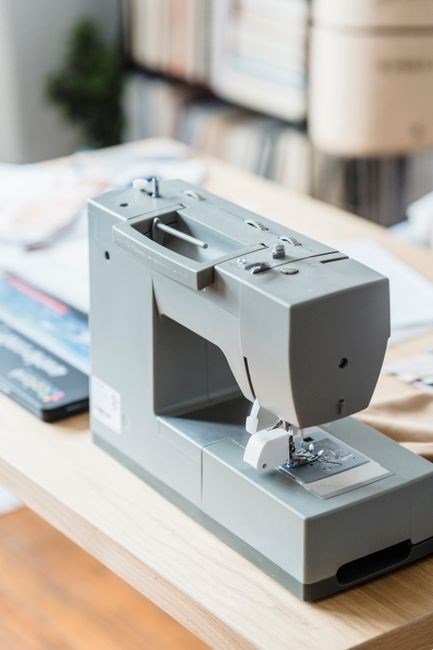
The manual covers essential functions: basic stitch selection, automatic needle threading, bobbin winding, foot pressure adjustment, quilting mode settings, speed control, stitch length/width adjustment, safety features, and maintenance tips for home use. daily.!

Basic Sewing Operations
The Janome 4120QDC manual begins with a clear, step‑by‑step guide to the machine’s core sewing functions. First, it explains how to assemble the needle and feed dogs, ensuring the needle is seated correctly and the feed dogs are properly aligned. It then walks the user through the threading process, detailing how to thread the upper thread through the tension disc, guide, and needle, and how to wind the bobbin onto the bobbin spool before inserting it into the bobbin case. The manual highlights the importance of using the correct needle type and size for each fabric, and it provides a quick reference chart for common thread colors and weights. Once the machine is threaded, the guide shows how to select a stitch from the 20‑plus available options, adjust stitch length and width, and set the stitch speed using the speed dial. It also covers the use of the automatic needle threader, which can be activated by pressing the corresponding button on the control panel. The manual then demonstrates how to use the foot pressure adjustment to accommodate different fabric thicknesses, and it explains how to switch between straight, zig‑zag, and decorative stitches with a single button press. Finally, it offers troubleshooting tips for common issues such as skipped stitches, uneven stitching, or thread breakage, and it provides a concise troubleshooting table for quick reference. It also explains how to set the quilting foot, adjust quilting speed, and use the machine’s built‑in quilting memory for smooth patterns.
Quilting Features & Foot Controls
The Janome 4120QDC manual dedicates a full section to quilting, explaining how to harness the machine’s built‑in quilting memory and foot‑control system. It starts by describing the quilting foot options—standard, straight‑line, and zig‑zag—and how to attach them securely to the foot plate. The guide details the foot‑pressure adjustment lever, noting that a higher pressure setting is needed for heavy‑weight quilts while a lower setting prevents puckering on lighter fabrics. It explains how to select the quilting speed dial, which ranges from 0 (stop) to 9 (fast), and how to lock the speed to maintain consistent stitch length during long quilting runs. The manual then walks through the process of loading a quilting pattern into the machine’s memory: choose a preset pattern from the menu, adjust the stitch length, and confirm the pattern on the LCD. It emphasizes the importance of using a matching thread color for quilting to avoid visible stitch lines. The section also covers the use of the “Quilt‑Lock” feature, which locks the foot in place to prevent accidental foot movement during high‑speed quilting. Finally, it provides troubleshooting tips for common quilting issues such as uneven stitch spacing, thread breakage, or foot slippage, and it offers a quick reference table for adjusting foot pressure and speed settings for different quilt weights.
Speed & Stitch Selection Settings
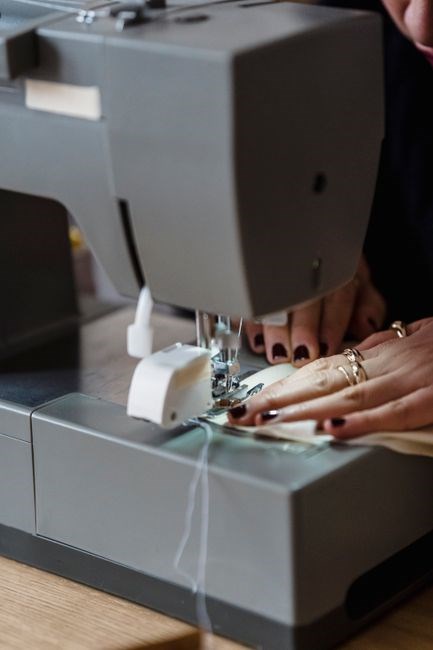
Speed and stitch selection on the Janome 4120QDC are managed through a combination of the main speed dial, the stitch selector, and the LCD menu. The speed dial, located on the front of the machine, offers 10 positions (0–9). Position 0 stops the machine, while position 9 delivers the maximum stitch rate. The manual advises setting the speed according to the fabric weight: lighter fabrics (cotton, silk) use lower speeds (2–4) for precision, whereas heavier fabrics (denim, canvas) benefit from higher speeds (6–8) to reduce thread tension. The stitch selector, a small lever on the side panel, allows quick switching between preset stitches such as straight, zig‑zag, and decorative patterns. Each preset is linked to a specific stitch length that can be fine‑tuned via the LCD. To change stitch length, press the “Stitch Length” button, use the +/- keys, and confirm with “Enter.” The manual also explains how to create custom stitches: navigate to the “Custom” menu, choose the desired stitch type, and adjust parameters like stitch width, depth, and spacing. For quilting, the “Quilt” preset automatically sets a medium stitch length and a moderate speed to ensure even coverage. The guide emphasizes the importance of matching stitch length to thread type; a longer length reduces tension on fine threads, while a shorter length is ideal for heavy‑weight quilting threads. Finally, the manual provides a troubleshooting table that links common issues—such as skipped stitches or uneven stitch width—to specific speed or stitch settings that can be adjusted to resolve the problem. Fine‑tuning these settings ensures smooth transitions and uniform stitch results.
Needle and Thread Care Instructions
Proper needle and thread maintenance is essential for the Janome 4120QDC to deliver consistent stitch quality and prolong machine life. Use a 60/8 or 70/10 needle for lightweight fabrics and an 80/12 or 90/14 for heavy denim or quilting. Verify needle placement with the “Needle Check” function: press the “Needle” button, then “Check”; a green LED confirms correct insertion. Replace the needle every 200–300 stitches or when you notice skipped stitches, uneven stitch width, or thread breakage. Clean the needle tip with a soft brush after each session to remove lint. Thread selection should match fabric weight: 30–40 denier for silk, 70–80 for cotton, 100–120 for denim. Adjust thread tension via the tension dial on the back of the machine; the manual provides a tension chart correlating needle size to optimal tension. Store threads in a cool, dry place and avoid direct sunlight, which can cause brittleness. Keep thread spools wound evenly to prevent tangling; use the spool holder to maintain tension during threading. When changing thread, remove the old thread from the bobbin before threading the new one to avoid cross‑contamination. Avoid low‑quality or recycled thread, which can lead to frequent jams. Clean the bobbin case with a damp cloth and mild detergent to remove lint, ensuring smooth thread passage. Following these needle and thread care steps will reduce jams, improve stitch consistency, and extend the lifespan of both the machine and its accessories. Regular inspections help detect early wear, preventing repairs. Use a clean, cloth to wipe the needle guard after each use.

Maintenance, Troubleshooting & Support
Regular cleaning removes lint and prevents jams. Oil the feed dogs every 200 hours. If the machine stops, check the power cord and reset the main switch. For error codes, consult the quick‑reference guide. Contact Janome support via phone or chat for help!.
Routine Cleaning & Oiling Procedures
Begin by unplugging the Janome 4120QDC to ensure safety. Use a soft brush or a can of compressed air to gently dislodge lint from the feed dogs, the bobbin area, and the needle plate. Carefully wipe the machine’s exterior with a slightly damp cloth, taking care not to let moisture seep into the internal components. Next, apply a few drops of sewing‑machine oil to the feed dogs, the needle bar, and the spindle. Rotate the handwheel several times to distribute the oil evenly, ensuring that the feed dogs move smoothly. Inspect the needle for signs of rust or damage; replace it if any corrosion is visible. Check the bobbin case for thread buildup and clean it with a cotton swab or a small brush. Finally, run a short stitch of plain thread to confirm that the machine operates smoothly after the cleaning and oiling cycle; Repeat this routine every 200 hours of use or after heavy‑duty projects to maintain optimal performance and extend the machine’s lifespan.
After the initial cleaning, examine the feed dogs for uneven wear. If the teeth appear worn or damaged, replace the feed dog set according to the manufacturer’s instructions. Verify that the tension dial is set correctly for the fabric type you are working with; incorrect tension can lead to skipped stitches. Test the machine with a small piece of scrap fabric to ensure that the stitch length and width are consistent. If any irregularities appear, adjust the stitch settings or replace the needle. Keep a log of cleaning and oiling dates to track maintenance intervals.
Store the machine in a dry, dust‑free area when not in use. Cover it with a breathable cloth to protect against dust while allowing airflow. Avoid placing the machine in direct sunlight or near heat sources, as excessive heat can warp the plastic components. When traveling with the machine, use a padded case to prevent impact damage. Regularly inspect the power cord for fraying; replace it immediately if any damage is observed to prevent electrical hazards.
By following these routine cleaning and oiling procedures, you ensure reliable operation, reduce wear on internal parts, and prolong the life of your Janome 4120QDC. Consistent maintenance is the key to a smooth, frustration‑free sewing experience. Remember to replace the oil filter every 500 hours for optimal lubrication, and keep a small container of sewing‑machine oil nearby for quick top‑up during long sessions. This simple routine saves time and prevents costly repairs.
Common Error Codes & Fixes
When the Janome 4120QDC displays an error, the machine will halt and a two‑digit code appears on the LCD. Below are the most frequent codes and practical remedies that can be applied without calling service.
- E01 – Needle Position Error: The needle is not fully retracted. Turn the handwheel toward the back of the machine until the needle is fully lowered, then resume stitching. If the error persists, inspect the needle for bent or damaged threads.
- E02 – Thread Tension Error: The upper or lower thread is too tight or too loose. Adjust the tension dial by a quarter turn, then test with a small piece of fabric. A properly balanced tension eliminates the code.
- E03 – Feed Dog Error: The feed dogs are jammed or misaligned. Remove lint with a brush, then gently lift the feed dog cover and check for obstructions. If the feed dogs are worn, replace the set.
- E04 – Bobbin Case Error: The bobbin is not seated correctly. Remove the bobbin, reinsert it, and ensure the bobbin cap is fully closed.
- E05 – Motor Overheat: The motor has reached a high temperature. Turn the machine off, allow it to cool for at least 10 minutes, then restart. Check that the ventilation holes are clear.
- E06 – Power Supply Error: The power cord or plug is damaged. Inspect the cord for fraying; replace it if necessary. Verify that the outlet supplies 120 V AC.
- E07 – Needle Position Sensor Fault: The sensor that detects the needle’s position is malfunctioning. Clean the sensor area with a dry cloth. If the error continues, contact service.
- E08 – Stitch Length Error: The stitch length selector is out of range. Reset the selector to the middle position, then adjust to the desired length.
- E09 – Speed Control Error: The speed dial is not functioning. Turn the dial to the neutral position and then back to the desired speed.
- E10 – Foot Switch Error: The foot pedal is not detected. Check the foot pedal cable for damage and ensure it is properly connected.
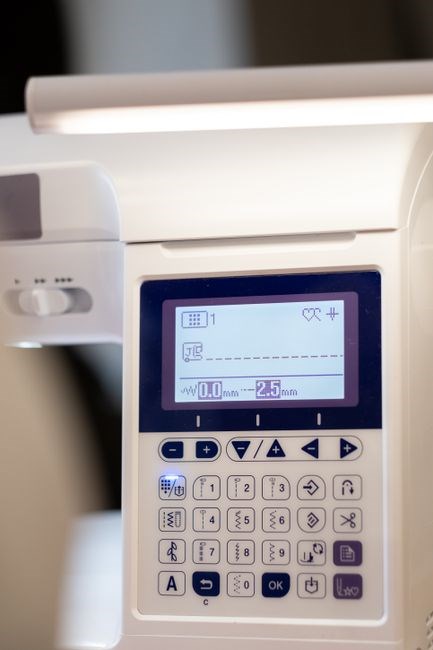
For any code that does not resolve after following the steps above, consult the service manual or contact Janome customer support. Keeping a log of error codes and the actions taken can help technicians diagnose recurring issues more efficiently.
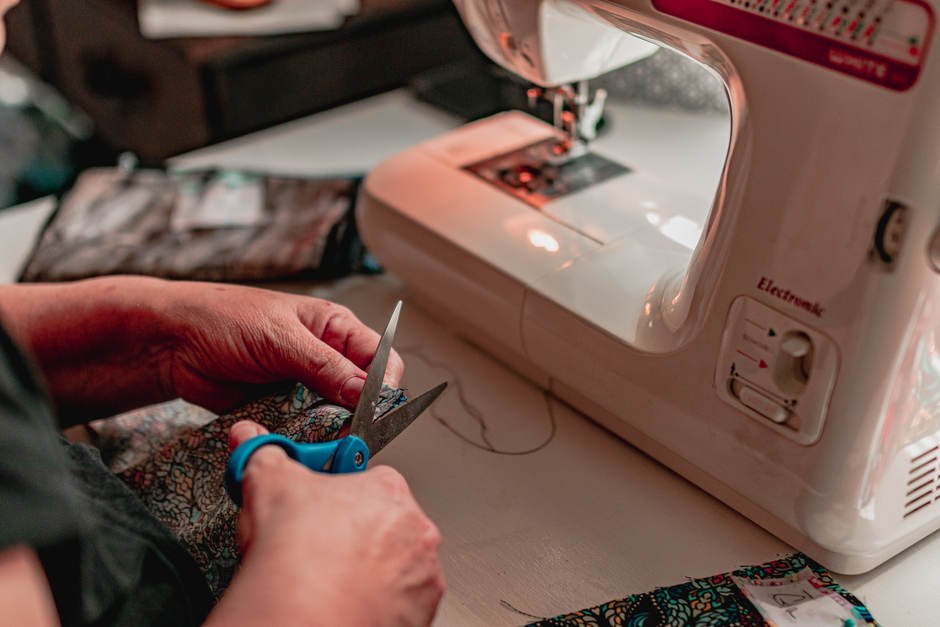
Ensure machine is turned off before cleaning.
Parts Replacement & Accessories
Replacing worn components on the Janome 4120QDC keeps it running smoothly. The most common items are needles, thread, bobbins, and foot attachments. Needles come in 70‑115 mm lengths; choose a size that matches the fabric thickness. Thread is available in polyester, cotton, or nylon; keep a spare spool in the machine’s storage; Bobbins should be replaced when the thread is frayed or the bobbin case jams; use the supplied bobbin kit for proper threading. Foot attachments—such as the quilting foot, zipper foot, or button‑hole foot—can be swapped by loosening the foot clamp and sliding the new foot into place. For motor or electronic issues, Janome sells a replacement motor kit that includes the motor, wiring harness, and control board. The feed‑dog assembly is another frequent replacement; a new set restores even stitching. Accessories like the needle threader, thread tension dial, and stitch length selector are also available from Janome’s official parts catalog. Always power off the machine before changing parts, and follow the manual’s torque specifications to avoid damage.
When ordering parts, use the Janome serial number to ensure compatibility. The parts catalog lists part numbers and torque settings. Shipping is free for orders over $49.99, and many retailers offer instant PDF downloads of the manual. For custom accessories, check the Janome website or authorized dealers for the latest models. Verify the part’s material grade to match your machine’s operating environment.—see list

Contacting Janome Customer Service
For assistance with the Janome 4120QDC, use the official support channels. Call the U.S. service line at 1‑800‑JANO‑MAN (1‑800‑526‑6464) Monday‑Friday, 8 a.m.‑5 p.m. (local time). For international customers, visit the Janome website and select your country to find the appropriate phone number, email address, and live‑chat option. The email support address is support@janome.com, and responses typically arrive within 24 hours. If you need a quick fix, the live‑chat feature on the Janome support portal offers real‑time assistance from certified technicians. For warranty claims, keep your purchase receipt and serial number handy; the service team will guide you through the claim process and arrange repair or replacement. You can also request a repair kit or replacement parts by filling out the online parts request form, which will automatically match your machine model and provide shipping details. For detailed troubleshooting, refer to the downloadable troubleshooting guide in the manual, or schedule a video call with a Janome technician. All support interactions are tracked in a ticket system, so you can follow up on the status of your request via the support portal. Remember to have your machine’s serial number, model number, and a clear description of the issue ready before contacting support to expedite the process. Additionally, Janome maintains active social media channels on Facebook and Twitter where you can post questions or concerns; responses are typically within 48 hours. For urgent repairs, you may also locate an authorized Janome service center in your region by using the service locator on the website. Always ensure your machine’s firmware is up to date before reaching out, as many issues are resolved through a simple software update. Call for immediate help, quickly!!