
Overview of the Order of Christian Initiation of Adults
The Order of Christian Initiation of Adults (RCIA) is a renewed rite approved by the U.S. Conference of Catholic Bishops. It guides seekers through catechesis, liturgy, and community, culminating in Baptism, Confirmation, and Eucharist. The PDF offers presiders and lay ministers convenient access.
Purpose and Significance
The Order of Christian Initiation of Adults (RCIA) serves as the canonical framework through which individuals who seek communion with the Catholic Church are invited into the life of faith. Its purpose is to provide a structured, catechetical journey that nurtures spiritual growth, fosters community belonging, and prepares the faithful for the sacramental grace of Baptism, Confirmation, and the Eucharist. By offering a clear sequence of teachings, liturgical participation, and pastoral guidance, the RCIA empowers seekers to encounter Christ, understand the mysteries of the Church, and commit to a lifelong vocation of discipleship. The significance of the RCIA PDF lies in its accessibility: it equips presiders, lay ministers, and catechists with a portable, authoritative text that can be consulted in real‑time, ensuring consistent fidelity to the revised rite across dioceses. Moreover, the digital format facilitates rapid dissemination of updates, supports learning, and encourages broader engagement with the faithful. Ultimately, the RCIA embodies the Church’s mission to evangelize, educate, and integrate new members into the universal family of believers, reinforcing the communal nature of faith and the transformative power of the sacraments.
The RCIA process incorporates sacramental theology of initiation, emphasizing the covenantal relationship between God and the Church. Participants are encouraged to engage in prayerful reflection, community service, and personal testimony, which deepen their understanding of the Catholic faith and strengthen their commitment to living out the Gospel in everyday life. hope!.
RCIA PDF

Historical Development and Renewal
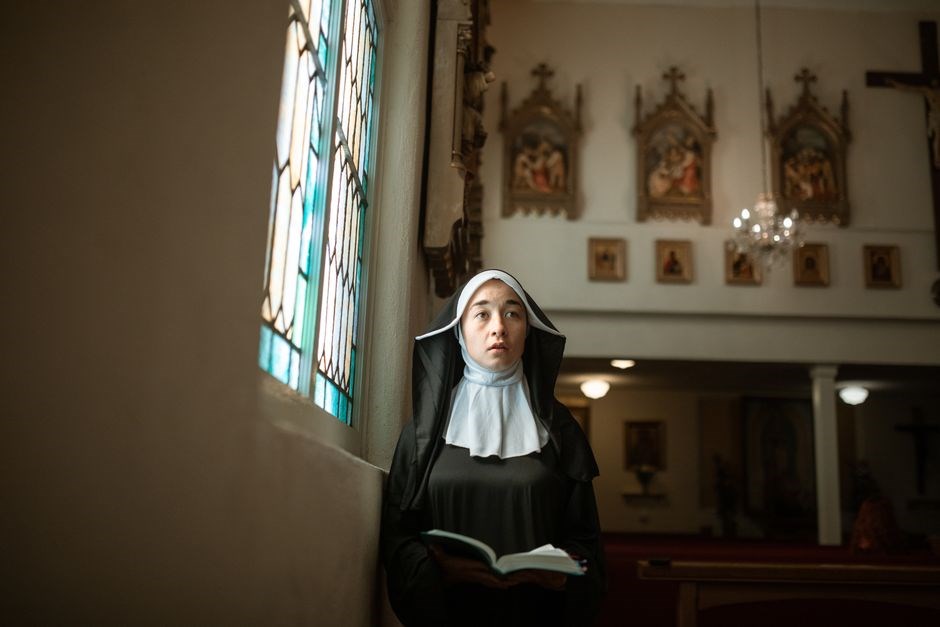
The RCIA was first codified in the 1960s, then revised in 2007 to reflect contemporary pastoral needs. The U.S. bishops approved a new English translation, making the PDF widely accessible for clergy and laity alike. It renews community bonds. Together. It strengthens faith through moments.
Timeline of Revision
The Rite of Christian Initiation of Adults (RCIA) has evolved through several key milestones. Its origins lie in the early Church, but it was formally codified during the Second Vatican Council in the 1960s, reflecting a renewed focus on adult catechesis. In the 1970s, the U.S. Conference of Catholic Bishops issued a provisional order, which was further refined in 1980 to incorporate updated liturgical norms and pastoral guidelines. The 2007 revision represented a major renewal, aligning the rite with contemporary theological insights and pastoral realities; it introduced clearer catechetical stages, updated language, and a renewed emphasis on community participation. In 2023, the bishops approved a new English translation, making the order more accessible to a broader audience. The latest PDF edition, released in 2024, incorporates these updates and offers presiders, lay ministers, and ministry students a portable, paperback‑friendly resource that can be accessed online or downloaded for offline use. This continuous evolution reflects the Church’s commitment to nurturing authentic faith journeys for adults seeking to enter the Catholic community. Each revision has built upon the previous, ensuring that the RCIA remains relevant, engaging, and faithful to the Church’s mission of evangelization. The PDF format provides flexibility, allowing clergy and laity to study the text in various settings, from parish meetings to individual reflection. By making the order widely available, the Church fosters greater participation, deeper understanding, and a stronger sense of belonging among those embarking on the RCIA journey.

Key Liturgical Components
The RCIA PDF outlines three core rites: Baptism, Confirmation, and the Eucharist. Each sacrament is presented with liturgical guidelines, prayers, and reflective exercises. The document ensures presiders and lay ministers can guide participants through these pivotal moments of faith. Guidance.!
Baptism, Confirmation, Eucharist
The revised RCIA PDF provides detailed liturgical instructions for the three sacraments that mark the culmination of the Christian initiation journey. Baptism is presented as the first sacrament of grace, with a focus on the Trinitarian formula, the use of holy water, and the symbolic washing of sin. The text explains the role of the presider, the rite of immersion or affusion, and the accompanying prayers that emphasize new life in Christ. Confirmation follows, highlighting the laying on hands, the anointing with chrism, and the invocation of the Holy Spirit. The PDF outlines the preparatory prayers, the catechetical reflection on the gifts of the Spirit, and the significance of the apostolic succession. The Eucharistic celebration is described as the final act of initiation, where the faithful receive the Body and Blood of Christ. The document details the liturgical setting, the proper use of the chalice, the distribution of the host, and the prayers of thanksgiving. Each sacrament is accompanied by suggested catechetical materials, reflective exercises, and community prayers to deepen understanding and foster a sense of belonging. The PDF also includes guidelines for music, readings, and local cultural expressions, ensuring fidelity to universal Church norms. By providing a comprehensive guide, the RCIA PDF equips presiders and lay ministers to lead participants through a spiritually deeply rich process that culminates in full participation in the sacramental life of the Church.

Catechetical Stages and Content
The RCIA PDF outlines three stages: Preliminary, Catechumenate, Initiatory. Each stage contains specific catechetical lessons, liturgical participation, and community formation, guiding seekers toward full sacramental life. and a supportive community, growth.!
Preliminary, Catechumenate, Initiatory
In the Preliminary stage, seekers are welcomed into the parish community through informal gatherings, prayer, and introductory catechesis. The focus is on building relationships, sharing the Gospel, and inviting individuals to explore Catholic faith. This stage often includes a “Welcome” service, small group discussions, and a brief overview of the RCIA process.
The Catechumenate deepens theological understanding and spiritual formation. Participants study Scripture, Church teachings, and the sacraments, while engaging in liturgical rites such as the Rite of Reception and the Rite of Apostolic Blessing. Confession, prayer, and community service are integral, fostering personal growth and commitment.
In the Initiatory stage, catechumens prepare for the sacraments of initiation. They undergo final catechetical instruction, participate in the Rite of Election, and receive the sacramental preparation for Baptism, Confirmation, and Eucharist. The culmination is a celebratory Mass where the new members are formally welcomed into the Catholic Church.

Role of Presiders and Lay Ministers
Presiders guide liturgical rites, ensuring fidelity to the revised RCIA text. Lay ministers support catechesis, community outreach, and sacramental preparation. Together they foster spiritual growth, maintain continuity, and embody the Church’s welcoming mission. Preserves tradition inv growths.
Training and Responsibilities
Presiders and lay ministers receive a structured program that blends theology, pastoral care, and liturgical skill. The course begins with the revised RCIA text, sacramental theology, and the pastoral needs of adult seekers. Participants then practice the three stages—Preliminary, Catechumenate, Initiatory—through hands‑on workshops, learning to welcome, teach, and guide novices in Baptism, Confirmation, and Eucharist.
Mentors give personalized feedback, ensuring each minister can explain the rites’ spiritual meaning, facilitate dialogue, and address doubts about faith, doubt, and commitment. The focus is on building trust so seekers feel heard and supported during their journey.
After certification, presiders lead liturgical celebrations, observing the order’s rubrics. Lay ministers conduct catechetical sessions, coordinate outreach, and manage logistics such as scheduling, venue prep, and material distribution. Together they embody the Church’s mission of welcoming, teaching, and sanctifying adult converts.
Ongoing formation is encouraged through retreats, study groups, and peer‑review sessions that deepen theological insight and pastoral sensitivity. Post‑rite debriefings gather feedback from participants and clergy, guiding future improvements and keeping the ministry responsive to adult seekers and the parish community.
Every detail matters, inspiring lifelong discipleship.
Preparing the Community for RCIA
Community preparation starts with workshops that educate parishioners on RCIA’s purpose, welcoming newcomers, and fostering supportive networks. Outreach events, prayer vigils, and flyers help demystify the rite, encouraging encouraging participation spiritual readiness!
Workshops and Outreach
The RCIA PDF guides presiders and lay ministers to organize workshops that introduce the Rite’s stages, liturgical practices, and catechetical themes. These sessions often begin with a “Welcome to RCIA” orientation, where parishioners learn how to support seekers through prayer, small‑group discussions, and service projects. Outreach efforts—such as informational booths at parish events, social‑media campaigns, and local media spots—extend the invitation to the wider community. By sharing the PDF’s concise summaries, volunteers can quickly reference key points, ensuring consistency across workshops. Facilitators are encouraged to use interactive tools: role‑plays of the Rite, Q&A panels, and testimonies from recent inductees. The goal is to demystify the process, build empathy, and create a welcoming environment that encourages ongoing participation. Regular follow‑up meetings keep the momentum, allowing parishioners to reflect on their learning and plan future outreach initiatives. Ultimately, these workshops and outreach activities lay the groundwork for a vibrant RCIA community that supports spiritual growth and fosters a sense of belonging for all participants. Parish councils collaborate with RCIA coordinators to schedule these workshops at convenient times, ensuring maximum attendance. Digital resources, such as short videos and interactive quizzes, are integrated into the curriculum to engage tech‑savvy seekers, making the RCIA experience accessible and contemporary. Join the journey now!!!
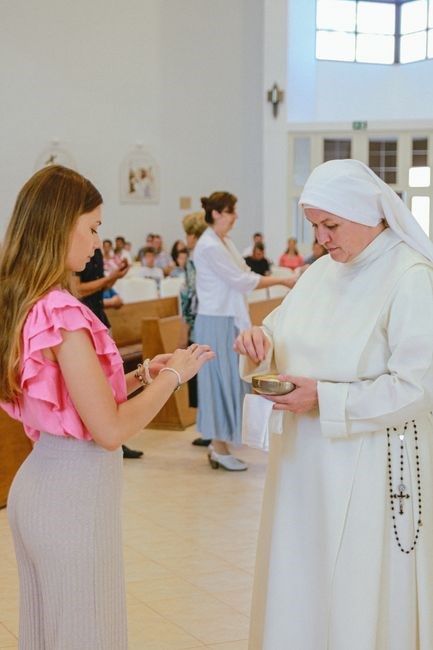
Resources and PDF Availability
Download the official RCIA PDF from the U.S. Conference of Catholic Bishops website. The file is available in PDF, TXT, and online view formats. Use the search function to locate the latest revision, and share it with presiders, lay ministers, and parishioners for study and reference. and download. today.
Download Links and Formats
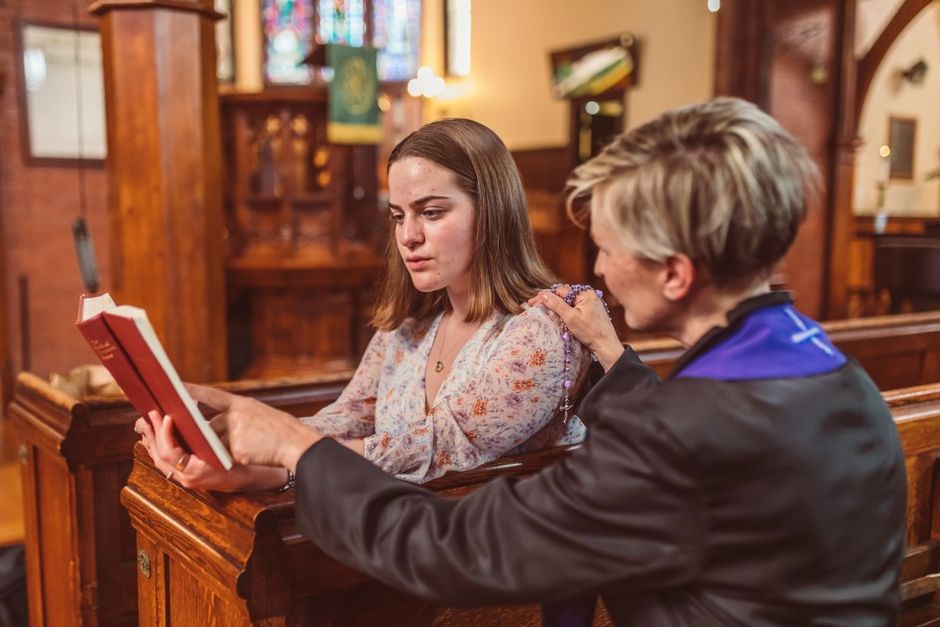
Find the RCIA PDF on the U.S. Conference of Catholic Bishops website. The official document is available in several formats: a full‑size PDF for printing, a compressed PDF for quick download, a plain‑text (.txt) version for accessibility, and an online viewer that supports zoom and bookmarks. Each file is labeled with the revision year and version number. To download, visit the “Resources” section, search for “RCIA PDF,” and enter the access code provided during RCIA workshops. The ZIP archive bundles the PDF, text file, and a PDF of the liturgical calendar for a complete study package. The files are compatible with Windows, macOS, iOS, and Android, making them usable on desktops, tablets, and smartphones. For further help, contact the diocesan office or consult the FAQ section. The download process is straightforward: click the link, enter the code, and choose your format. The file size ranges from 1.2 MB for the compressed PDF to 3.5 MB for the full‑size version, ensuring quick access even on slower connections. Once downloaded, the RCIA PDF can be saved locally, shared via email, or uploaded to a parish website, keeping the rite accessible to all participants!!! The PDF also contains a checklist for catechumens to track their progress. The PDF includes a glossary of terms and a timeline of the RCIA stages, aiding both presiders and catechumens.

FAQs and Common Misconceptions
Common questions: Is RCIA only for converts? No, it welcomes all adults. Does the PDF contain the full rite? Yes, it includes liturgical texts, prayers, and guidelines. Can I download it for free? Yes, via the U.S. Conference site. For more details, see the FAQ!!
Clarifying Terms and Procedures
In the revised Order of Christian Initiation of Adults (RCIA), the term “catechumen” refers to any adult who has yet received sacraments of Baptism, Confirmation, Eucharist. PDF version of Order provides a comprehensive guide for presiders and lay ministers, outlining the three distinct stages: Preliminary, Catechumenate, and Initiatory. Each stage contains liturgical actions prayers, catechetical content designed to prepare the community for the sacramental big celebration. Preliminary stage includes Rite of Reception, where candidate’s intent formally is acknowledged!!. Initiatory stage culminates in Rite of Initiation, which incorporates sacraments of the Baptism, and Confirmation, Eucharist. The PDF also contains detailed instructions for the use of the Liturgy of Word the Liturgy of Eucharist and the Liturgy of the New Covenant. It clarifies the roles of presider, deacon, and lay ministers and provides guidelines for the use of the Rite of Holy Spirit and the Rite of Holy Eucharist. The document emphasizes that RCIA is a communal journey, not a solitary process and encourages ongoing participation after sacraments are received. For further clarification PDF offers a glossary of key terms a step‑by‑step procedural outline and a list of recommended resources for clergy laity. This ensures that participants, regardless background, can navigate rite with confidence and understanding. and growth all in