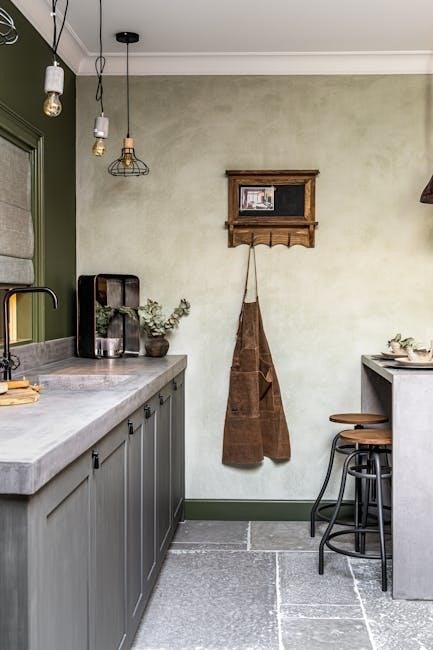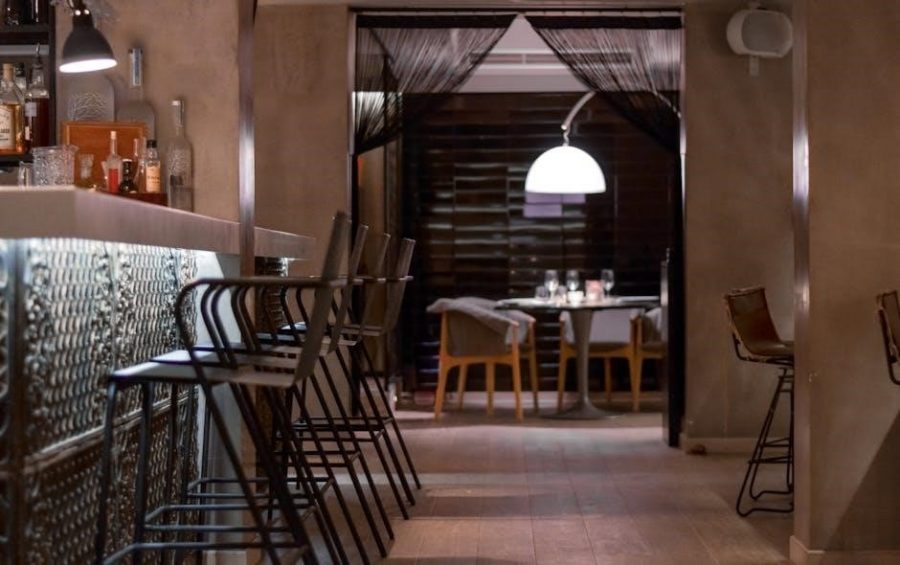
Counter Stool Height Guide: A Comprehensive Overview (Updated 02/02/2026)
Navigating kitchen island seating can be tricky! This guide clarifies bar stool versus counter stool heights‚ ensuring comfortable and stylish choices for all users․
Understanding Counter Stool Terminology
Decoding the language of seating is crucial! When discussing kitchen stools‚ several terms frequently appear‚ often causing confusion․ A counter stool generally refers to seating designed for surfaces around 36 inches high – typical kitchen counters․ Conversely‚ a bar stool is intended for higher surfaces‚ usually around 42 inches‚ often found in dedicated bar areas or raised islands․
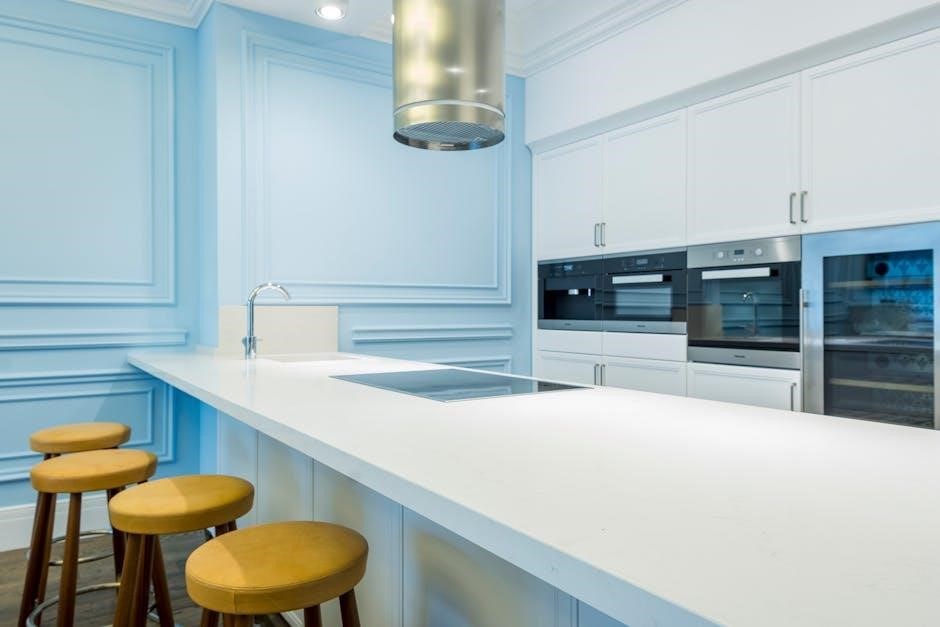
Seat height is the vertical distance from the floor to the stool’s seating surface‚ the most important measurement․ Counter height specifically denotes the standard 36-inch kitchen counter‚ while bar height refers to the taller 42-inch surface․ Understanding these distinctions is the first step in selecting the right stools for your kitchen’s layout and your family’s needs‚ ensuring both comfort and aesthetic appeal․
Standard Counter Height vs․ Bar Height
Distinguishing between these heights is fundamental․ Standard counter height typically measures 36 inches from the floor to the countertop surface․ This is the most common height for kitchen work surfaces‚ facilitating food preparation and casual dining․ In contrast‚ bar height usually sits at 42 inches‚ creating a more formal or dedicated bar-like atmosphere․
The difference of six inches significantly impacts stool selection․ Stools for counter height require a seat height of 24-26 inches‚ while bar height counters demand stools with a 28-30 inch seat height․ Choosing the incorrect height leads to discomfort and an awkward dining experience․ Considering both functionality and the overall aesthetic of your kitchen is key when deciding between these two popular options․
Typical Kitchen Counter Heights
Kitchen counter heights aren’t one-size-fits-all․ While 36 inches is considered the standard counter height‚ many kitchens now incorporate varied levels for different purposes․ This common height is ideal for everyday tasks like chopping vegetables and baking‚ offering comfortable accessibility for most users․
However‚ raised/bar height counters at 42 inches are increasingly popular‚ particularly for kitchen islands․ These elevated surfaces create a designated eating or socializing area‚ mimicking the feel of a traditional bar․ Some designs even feature both standard and raised sections within the same kitchen‚ offering flexibility․ Understanding these typical heights is crucial for selecting counter stools that provide optimal comfort and ergonomic support․
Standard Counter Height (36 inches)
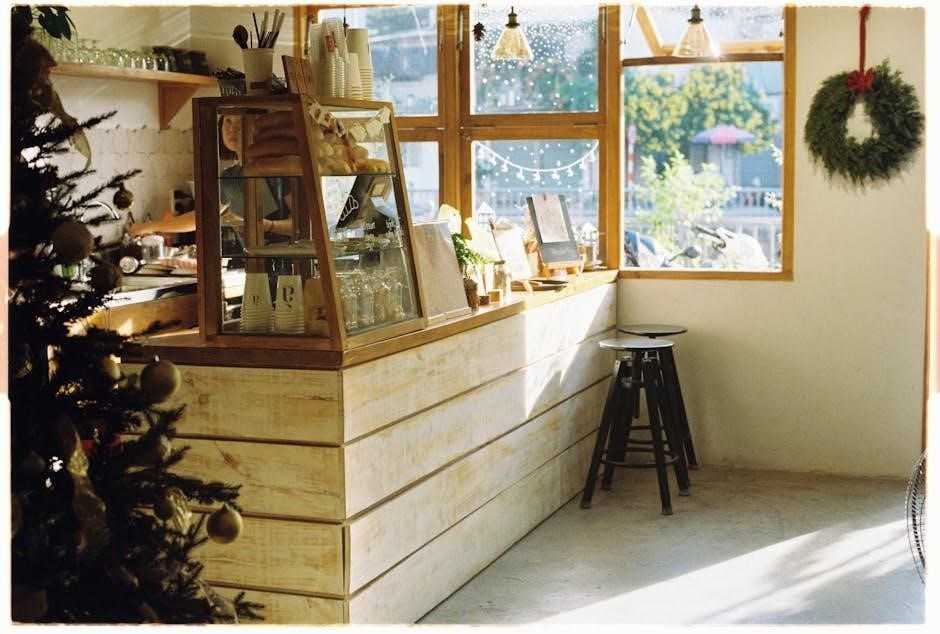
A 36-inch counter height is the most prevalent in kitchens‚ offering a comfortable workspace for food preparation and casual dining․ This height is generally accessible for most adults‚ making it a versatile choice for families․ When paired with counter stools‚ a seat height of 24 to 26 inches is recommended‚ allowing for approximately 10-12 inches of legroom․
This standard height facilitates easy interaction while cooking and provides a relaxed setting for enjoying quick meals․ Choosing stools specifically designed for 36-inch counters ensures proper posture and prevents strain․ Consider the overall kitchen design and select stools that complement the existing aesthetic‚ enhancing both functionality and style․
Raised/Bar Height Counters (42 inches)
Forty-two-inch counters‚ often referred to as bar height‚ create a more defined separation between the kitchen and adjacent living spaces․ This elevated surface is popular for entertaining and casual dining‚ offering a bistro-like atmosphere․ To comfortably accommodate a 42-inch counter‚ stools with a seat height of 28 to 30 inches are ideal‚ maintaining the crucial 10-12 inch legroom clearance․
These higher counters often feature a substantial overhang to provide leg support․ Selecting appropriately sized stools is paramount for comfort and safety․ Consider the style of your kitchen; sleek‚ modern stools or more rustic designs can both complement a 42-inch counter‚ adding personality and functionality․
Counter Stool Height Recommendations Based on Counter Height
Determining the correct stool height is crucial for comfort and ergonomics․ The standard recommendation is to maintain a 10-12 inch gap between the seat of the stool and the countertop surface․ This allows for comfortable leg positioning and prevents awkward reaching․ For standard 36-inch counters‚ stools with a 24-26 inch seat height are generally recommended․
Conversely‚ 42-inch raised or bar-height counters require stools with a 28-30 inch seat height․ Adjustable stools offer versatility‚ accommodating multiple counter heights or users․ Prioritizing this clearance ensures a relaxed and enjoyable experience‚ whether you’re dining‚ working‚ or socializing at your kitchen island․

Counter Height Stools (24-26 inches seat height)
Ideal for standard 36-inch kitchen counters‚ counter height stools provide a comfortable and ergonomic seating solution․ These stools typically feature a seat height ranging from 24 to 26 inches‚ creating the recommended 10-12 inch gap between the seat and the countertop․ This spacing allows for relaxed leg positioning and easy access to the counter surface․
Available in diverse styles – wood‚ metal‚ upholstered – counter height stools complement various kitchen aesthetics․ Backed or backless options cater to personal preference and desired support levels․ They’re perfect for casual dining‚ food preparation assistance‚ or simply enjoying a morning coffee at the island․
Bar Height Stools (28-30 inches seat height)
Designed for raised counters or bar areas typically around 42 inches high‚ bar height stools offer a more formal and elevated seating experience․ These stools generally have a seat height between 28 and 30 inches‚ maintaining the crucial 10-12 inch clearance for comfortable legroom․ This height difference creates a distinct zone within the kitchen․
Bar stools often feature more elaborate designs and may include footrests for added comfort during extended seating․ They’re well-suited for entertaining‚ serving as a social hub‚ or creating a dedicated bar-style atmosphere․ Choices range from classic wood finishes to modern metal designs and luxurious upholstered options․
Determining the Right Seat Height for Comfort
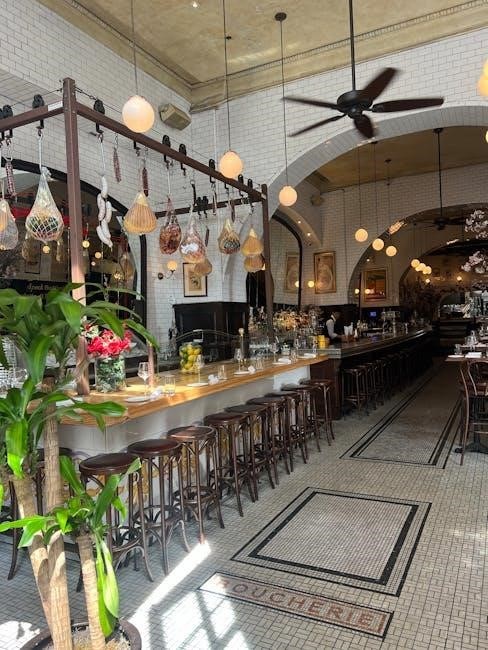
Achieving optimal comfort with counter stools hinges on proper seat height․ A general rule is to allow 10-12 inches of space between the seat and the countertop surface․ This ensures ample legroom‚ preventing awkward postures and discomfort during meals or conversations․ Too high‚ and you’ll be straining; too low‚ and you’ll be hunching․
Consider the typical activities at the counter․ Casual dining requires relaxed positioning‚ while more formal tasks might benefit from a slightly higher seat․ Prioritizing ergonomic principles is key – a comfortable seat promotes better posture and reduces strain․ Don’t hesitate to test different heights before making a final decision!
Factors Influencing Stool Height Choice
Several key factors beyond counter height dictate the ideal stool selection․ User height is paramount; taller individuals generally require higher stools for comfortable leg positioning․ Stool design also plays a role – stools with back support often feel more comfortable at slightly higher settings‚ offering enhanced stability․
Furthermore‚ consider the kitchen island overhang․ A generous overhang (at least 12 inches) provides ample legroom‚ allowing for greater flexibility in stool height․ Conversely‚ limited overhang necessitates more precise height matching․ Finally‚ anticipate who will primarily use the stools; accommodating diverse heights is crucial for shared spaces․
User Height Considerations
Matching stool height to user stature is critical for comfort and ergonomics․ Individuals taller than 6 feet typically benefit from stools at the higher end of the recommended seat height range – around 30 inches for bar-height counters․ Conversely‚ those under 5’4” may find lower stools (24-26 inches for counter height) more suitable․
A general rule of thumb is to allow 10-12 inches between the seat and the underside of the counter․ This provides adequate knee clearance․ Consider all potential users – if the stools will be used by people of varying heights‚ adjustable stools offer the most versatile solution․ Prioritizing proper posture prevents strain and ensures enjoyable seating․
Stool Design and Back Support
Stool design significantly impacts comfort‚ especially with prolonged use․ Backless stools promote a more open kitchen feel and are easier to tuck under counters‚ but offer less support․ Stools with backrests provide enhanced lumbar support‚ ideal for longer conversations or meal times․
Consider the backrest height and shape․ A full backrest offers maximum support‚ while a lower backrest provides a more streamlined look․ Armrests can further enhance comfort‚ but require more counter overhang space․ The overall aesthetic should complement your kitchen’s style․ Prioritize designs that encourage good posture and minimize strain‚ ensuring a comfortable seating experience for everyone․
Stool Height and Kitchen Island Overhang
Proper kitchen island overhang is crucial for comfortable stool placement․ A sufficient overhang prevents knees from bumping against the counter edge while seated․ Generally‚ a 12-inch overhang is recommended for counter-height stools and a 15-inch overhang for bar-height stools․
Insufficient overhang can lead to discomfort and instability․ Conversely‚ excessive overhang can create a cluttered appearance․ Consider the stool’s width when determining the ideal overhang․ A minimum of 8 inches is generally accepted‚ but 12-15 inches provides optimal legroom and support․ Carefully assess your island’s dimensions and stool selection to achieve a balanced and functional design․
Adjustable Height Counter Stools: A Versatile Solution
Adjustable height counter stools offer exceptional flexibility‚ particularly beneficial for islands with varying counter heights or multi-generational households․ These stools accommodate different users and counter configurations with ease‚ eliminating the need for multiple stool sets․
Modern adjustable stools often feature gas lift mechanisms allowing smooth and effortless height adjustments․ Consider the adjustment range to ensure it covers both your counter and bar heights‚ if applicable․ While typically more expensive than fixed-height options‚ the versatility and long-term convenience make them a worthwhile investment․ They are a smart choice for adaptable kitchen spaces․
Counter Stool Footrest Importance
A footrest is a crucial‚ often overlooked‚ element of counter stool comfort․ It provides essential support‚ reducing pressure on the legs and lower back during extended seating․ Without a footrest‚ users may experience discomfort and fatigue‚ especially with taller counter or bar height stools․
Look for stools with integrated footrests positioned at a comfortable height – typically 6-12 inches above the floor․ The footrest should be wide enough to comfortably accommodate feet and offer a secure place to rest․ Even stools without built-in footrests can benefit from a separate footrest rail installed on the counter or island‚ enhancing overall ergonomics and user experience․
Materials and Styles of Counter Stools
Counter stools boast a diverse range of materials and styles‚ catering to every kitchen aesthetic․ Wood counter stools offer classic warmth and charm‚ fitting seamlessly into traditional or farmhouse designs․ Metal counter stools provide a sleek‚ modern look‚ often featuring industrial-inspired details․
Upholstered counter stools prioritize comfort‚ available in various fabrics and colors to complement your décor․ Beyond these core materials‚ you’ll find options like rattan‚ acrylic‚ and combinations thereof․ Styles range from minimalist and contemporary to ornate and vintage‚ with or without backs and arms․ Consider your kitchen’s overall style when selecting the perfect stools!
Wood Counter Stools
Wood counter stools bring a natural warmth and timeless appeal to any kitchen space․ Available in diverse wood types – oak‚ maple‚ cherry‚ walnut – they offer varied tones and grain patterns․ Finishes range from rustic‚ distressed looks to smooth‚ polished surfaces‚ accommodating different design preferences․
Classic ladder-back designs and simple‚ solid seat styles are popular choices‚ offering both comfort and durability․ Wood stools can be further customized with painted finishes or woven seats․ They seamlessly integrate into farmhouse‚ traditional‚ and even modern kitchens‚ providing a versatile seating solution․ Consider the wood’s durability and resistance to wear when selecting for high-traffic areas․
Metal Counter Stools
Metal counter stools offer a sleek‚ modern aesthetic and exceptional durability‚ making them ideal for contemporary kitchens․ Common metals include steel‚ iron‚ and aluminum‚ each presenting unique characteristics․ Steel provides robust strength‚ while aluminum is lightweight and rust-resistant․
Finishes vary widely – brushed nickel‚ chrome‚ black powder-coating – allowing for seamless integration with existing décor․ Metal stools often feature minimalist designs‚ but can also incorporate upholstered seats or backs for added comfort․ Their industrial edge complements modern and transitional styles․ Regularly check for any signs of rust or wear‚ especially in humid environments‚ to maintain their pristine appearance and longevity․
Upholstered Counter Stools
Upholstered counter stools prioritize comfort and style‚ introducing a touch of luxury to your kitchen island․ Available in a vast array of fabrics – including leather‚ vinyl‚ and various textiles – they cater to diverse aesthetic preferences․ Padding on the seat and backrest ensures extended seating comfort‚ perfect for casual dining or socializing․
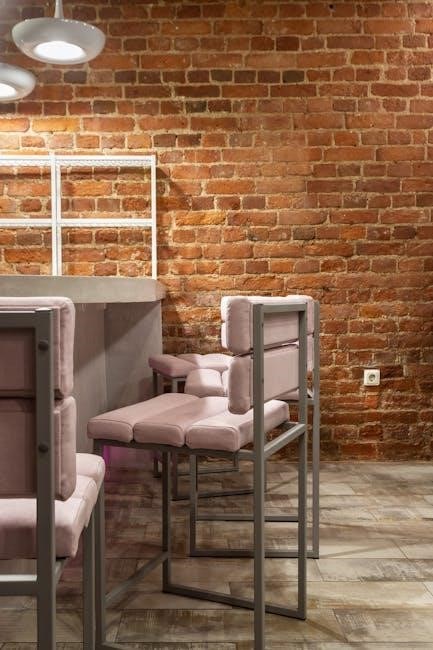
Consider the fabric’s durability and cleanability based on your lifestyle․ Leather and vinyl are easy to wipe clean‚ while fabrics may require more diligent maintenance․ Upholstery can significantly elevate the look of a kitchen‚ adding warmth and sophistication․ Regularly vacuum or spot-clean to preserve the fabric’s appearance and prevent staining‚ ensuring years of enjoyment․
Where to Buy Counter Stools
Finding the perfect counter stools involves exploring diverse retail options․ Big-box stores like IKEA‚ Target‚ and Walmart offer affordable choices with quick availability‚ ideal for budget-conscious shoppers․ For a wider selection and varying price points‚ consider furniture retailers such as Wayfair‚ Overstock‚ and Amazon – providing convenient online shopping experiences․
Specialty furniture stores often showcase higher-end designs and offer personalized assistance․ Local furniture boutiques can provide unique‚ handcrafted options․ Don’t overlook online marketplaces like Etsy for vintage or custom-made stools․ Comparing prices and reading customer reviews is crucial before making a purchase‚ ensuring satisfaction and value․
Measuring Your Counter Height Accurately
Precise measurement is paramount for comfortable counter stool selection․ Begin with a standard tape measure and a helper is beneficial! Measure from the floor to the top of your countertop surface – not including any overhang․ Repeat this measurement in several spots to account for any slight variations in floor level or countertop installation․
Avoid estimations! Even a small discrepancy can impact comfort․ Note whether your counter is standard (36 inches)‚ raised (42 inches)‚ or a custom height․ Consider the thickness of the countertop itself when determining the ideal stool seat height․ Accurate measurements guarantee a perfect fit and enjoyable kitchen experience․
Avoiding Common Counter Stool Height Mistakes
Many overlook crucial details when choosing counter stools․ A frequent error is assuming all “counter height” stools are universally sized; variations exist! Failing to account for countertop overhang is another common pitfall – insufficient overhang can lead to discomfort․ Don’t prioritize aesthetics over ergonomics; a beautiful stool is useless if it’s uncomfortable․
Ignoring user height is a significant mistake․ What works for one person won’t necessarily suit another․ Finally‚ never purchase stools without first accurately measuring your counter height․ Careful planning prevents costly returns and ensures a functional‚ stylish kitchen seating arrangement․

Counter Stool Height for Specific Users (Children & Elderly)
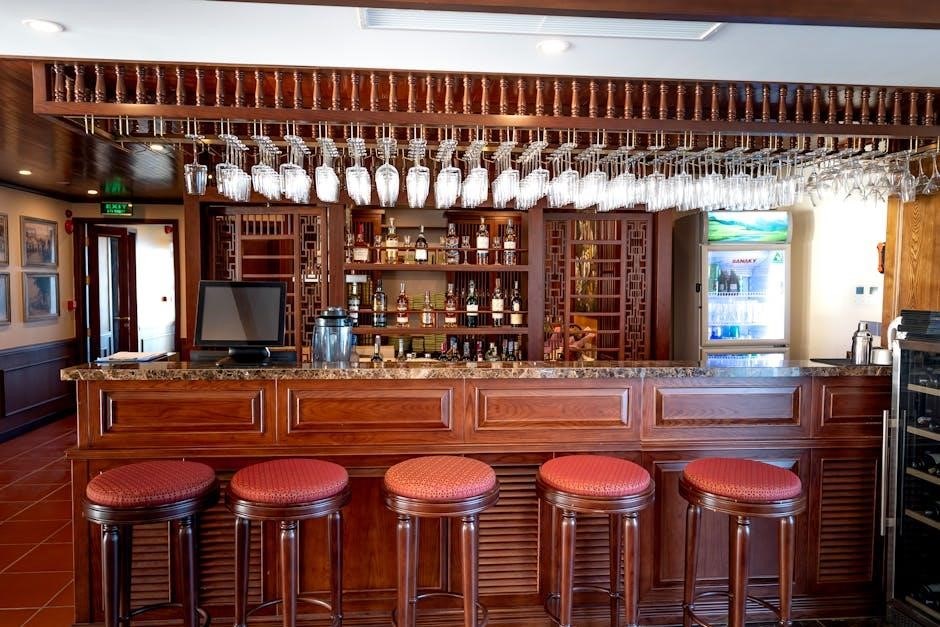
Prioritizing safety and comfort is paramount for children and elderly individuals․ For grandchildren enjoying a lower countertop‚ stools with lower seat heights (around 18-20 inches) and sturdy bases are essential․ Consider stools with armrests for added stability․ Elderly users often benefit from stools with robust back support and easily accessible footrests․
Adjustable-height stools offer versatility‚ accommodating varying needs․ Avoid excessively high stools‚ as these can pose a fall risk․ Always supervise young children while they are using counter stools․ Thoughtful selection ensures everyone can comfortably and safely enjoy the kitchen space․